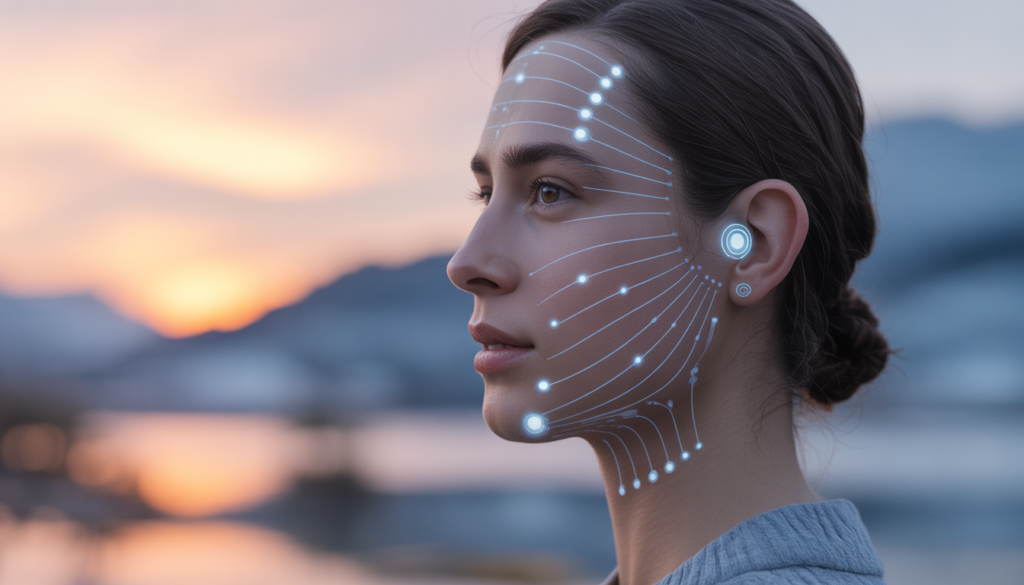

Technology has always loved getting closer to humans. First, it sat on our desks. Then it moved into our pockets. After that, it jumped onto our wrists. Now, it seems technology has decided that the best place to live… is inside our bodies.
Welcome to the strange and fascinating world of “Inside-ables.”
If wearables like smartwatches were the appetizer, inside-able tech is the full buffet. By 2027, scientists, tech companies, and medical innovators are working together to create tiny devices that live inside the human body to monitor health, improve performance, and even help people live longer.
Yes, it sounds a little like science fiction. It also sounds slightly terrifying. But it’s real—and it’s coming faster than your phone battery drains during a long day.
In this article, we’ll explore the rise of invasive technology, what it means for our future, and whether we should be excited… or start sleeping with aluminum foil hats.
The Evolution of Personal Technology
To understand inside-able technology, we need to take a quick trip down memory lane.
Technology didn’t start inside our bodies. It started far away from us.
Stage 1: Desktop Technology
In the early days, technology stayed politely on desks.
Examples included:
-
Desktop computers
-
Keyboards the size of dinner trays
-
Monitors that weighed more than your gym equipment
These machines were powerful, but they stayed in one place. If you wanted to use them, you had to go to them.
Technology was basically saying:
“I’m important. You come to me.”
Stage 2: Mobile Technology
Then came smartphones.
Suddenly, technology became portable.
Instead of sitting on desks, it lived in our pockets.
Now we carry:
-
Smartphones
-
Tablets
-
Wireless earbuds
-
Portable gaming consoles
Technology became our travel buddy. It followed us everywhere—even to places where we probably shouldn’t be scrolling social media.
Stage 3: Wearable Technology
Next came the wearable revolution.
Devices moved from our pockets to our bodies.
Popular wearable devices include:
| Device | Purpose |
|---|---|
| Smartwatches | Track steps, heart rate, notifications |
| Fitness bands | Monitor activity and sleep |
| Smart glasses | Provide augmented reality |
| Smart rings | Track health data |
Wearables brought technology closer than ever before.
But apparently that wasn’t close enough.
Enter the Era of “Inside-ables”
By 2027, the next technological leap is happening: technology inside the human body.
These devices are often called:
-
Implantable technology
-
Bio-integrated electronics
-
Inside-ables
Unlike wearables, these gadgets don’t sit on your skin. They live inside your body and interact directly with your biological systems.
Yes, your body might soon have better Wi-Fi than your house.
What Exactly Are Inside-able Devices?
Inside-able technology refers to small electronic devices implanted into the human body for medical, health, or performance purposes.
These devices can:
-
Monitor vital signs
-
Deliver medication automatically
-
Restore lost functions
-
Improve brain communication
-
Track health data continuously
The idea is simple: instead of checking your health occasionally, technology monitors it 24/7.
No doctor appointments required.
Well… fewer appointments at least.
Examples of Inside-able Technology
Some implantable technologies already exist today, while others are being developed rapidly.
Here are some of the most interesting ones.
1. Smart Health Chips
Tiny chips placed under the skin can monitor:
-
Heart rate
-
Blood pressure
-
Body temperature
-
Oxygen levels
-
Stress levels
These chips send data to smartphones or doctors.
Your doctor might know you’re stressed before you do.
2. Brain-Computer Interfaces
Brain-computer interfaces allow the brain to communicate directly with machines.
These systems can help:
-
Paralyzed patients control computers
-
Restore movement after injury
-
Help people with neurological disorders
Some researchers believe brain implants could eventually allow people to control devices with their thoughts.
Imagine ordering pizza without moving a finger.
Dangerous technology for lazy people.
3. Smart Drug Delivery Implants
Some implants release medication automatically when needed.
For example:
| Condition | How Implant Helps |
|---|---|
| Diabetes | Releases insulin automatically |
| Chronic pain | Delivers pain relief |
| Heart disease | Provides medication when needed |
| Hormone disorders | Regulates hormone levels |
This means fewer pills and fewer forgotten medications.
Great news for anyone who constantly asks:
“Did I take my medicine today or yesterday?”
4. Smart Sensors for Early Disease Detection
Inside-able sensors can detect diseases before symptoms appear.
They may monitor:
-
Cancer markers
-
Blood sugar changes
-
Heart irregularities
-
Brain activity
Early detection could save millions of lives.
Because let’s face it: most of us ignore symptoms until Google tells us we’re dying.
Why Inside-able Technology Is Growing Fast
Several factors are pushing the development of implantable tech.
1. Advances in Medical Technology
Medical science has improved dramatically.
New materials allow devices to be:
-
Smaller
-
Safer
-
Biocompatible
Some implants are even smaller than a grain of rice.
Yes, your body could soon contain more technology than your laptop.
2. Artificial Intelligence
AI plays a huge role in inside-able technology.
AI systems analyze the massive amounts of data collected by implants.
They can:
-
Detect health problems early
-
Predict medical risks
-
Recommend treatments
In some cases, AI might even alert doctors before something dangerous happens.
Your doctor might call you and say:
“Your implant told me you’re eating too much pizza again.”
3. Aging Global Population
People are living longer.
But living longer often comes with health challenges.
Implantable devices help manage conditions like:
-
Heart disease
-
Diabetes
-
Parkinson’s disease
-
Alzheimer’s
These technologies can improve quality of life for millions of people.
4. The Demand for Continuous Health Monitoring
Traditional healthcare works like this:
You feel sick → you visit a doctor → tests are done.
But implantable technology flips the system.
Now it becomes:
Device monitors constantly → problem detected early → treatment starts faster.
This could change healthcare completely.
Benefits of Inside-able Technology
Let’s talk about the advantages.
Because despite sounding a bit like a sci-fi movie, inside-ables offer huge potential benefits.
Major Benefits
-
Continuous health monitoring
-
Early disease detection
-
Reduced hospital visits
-
Better chronic disease management
-
Faster medical response
Here’s a simple comparison.
| Feature | Wearables | Inside-ables |
|---|---|---|
| Monitoring | Periodic | Continuous |
| Accuracy | Moderate | High |
| Convenience | Must wear device | Always active |
| Medical use | Limited | Advanced |
Inside-ables basically provide 24/7 health security.
Like having a tiny doctor living inside you.
Hopefully one that doesn’t charge consultation fees.
The Privacy Concerns
Of course, not everyone is thrilled about having technology inside their body.
One major concern is privacy.
Implantable devices collect sensitive data, including:
-
Health conditions
-
Heart rate patterns
-
Brain signals
-
Biological responses
This raises serious questions.
Who owns that data?
Possible answers include:
-
The patient
-
Hospitals
-
Insurance companies
-
Tech companies
And let’s be honest: nobody wants ads based on their blood pressure.
“We noticed your heart rate increased while watching horror movies. Here’s a discount on stress medication!”
Security Risks: Can Inside-able Tech Be Hacked?
Another concern is cybersecurity.
If devices connect to networks, they could potentially be hacked.
That’s a scary thought.
Imagine someone hacking your smart fridge. Annoying.
Now imagine someone hacking your heart implant.
Not funny.
Security experts are already working on:
-
Encrypted medical systems
-
Secure data networks
-
Anti-hacking protection
Still, cybersecurity will be a major issue in the future.
Ethical Questions About Human Enhancement
Inside-able technology also raises ethical debates.
Some devices treat illness.
But others might enhance human abilities.
Possible enhancements include:
-
Memory improvement
-
Faster thinking
-
Strength enhancement
-
Enhanced vision
This leads to big questions.
Should technology make humans better than natural?
Or should it only fix medical problems?
The debate is far from settled.
Inside-able Technology and the Workplace
Believe it or not, implantable technology might eventually enter the workplace.
Some companies are experimenting with microchip implants that allow employees to:
-
Open doors
-
Access secure areas
-
Log into computers
-
Make payments
No passwords needed.
Just wave your hand.
Convenient?
Yes.
A little creepy?
Also yes.
The Cost of Inside-able Technology
At first, implantable devices are expensive.
Advanced medical technology often costs thousands of dollars.
Here’s a rough comparison.
| Technology | Estimated Cost |
|---|---|
| Smartwatch | $200 – $800 |
| Fitness tracker | $100 – $300 |
| Medical implants | $5,000 – $50,000+ |
However, costs usually drop over time.
Just like smartphones once cost a fortune but are now everywhere.
One day, implantable devices might become common.
Maybe even as common as smartphones.
Public Reaction: Excitement vs Fear
People’s reactions to inside-able technology are mixed.
Some are excited.
Others are… nervous.
Excited People Say
-
It could save lives
-
Healthcare will improve
-
Early disease detection is amazing
Concerned People Say
-
It invades privacy
-
Technology shouldn’t live inside humans
-
Security risks are real
Both sides have valid points.
The future will likely include strict regulations to balance safety and innovation.
The Future Beyond 2027
Inside-able technology is only the beginning.
Future possibilities may include:
-
Artificial organs connected to digital systems
-
Brain-to-brain communication
-
Smart immune system boosters
-
Bio-digital memory storage
Yes, that last one means storing data inside your body.
Your body could literally become a USB drive.
Just try not to lose the password.
Will Inside-ables Replace Wearables?
Not completely.
Wearables will still exist because they are:
-
Non-invasive
-
Cheaper
-
Easy to remove
Inside-ables will mainly focus on medical and specialized uses.
Think of them as health guardians, not fashion accessories.
Although knowing technology, someone will probably invent designer implants.
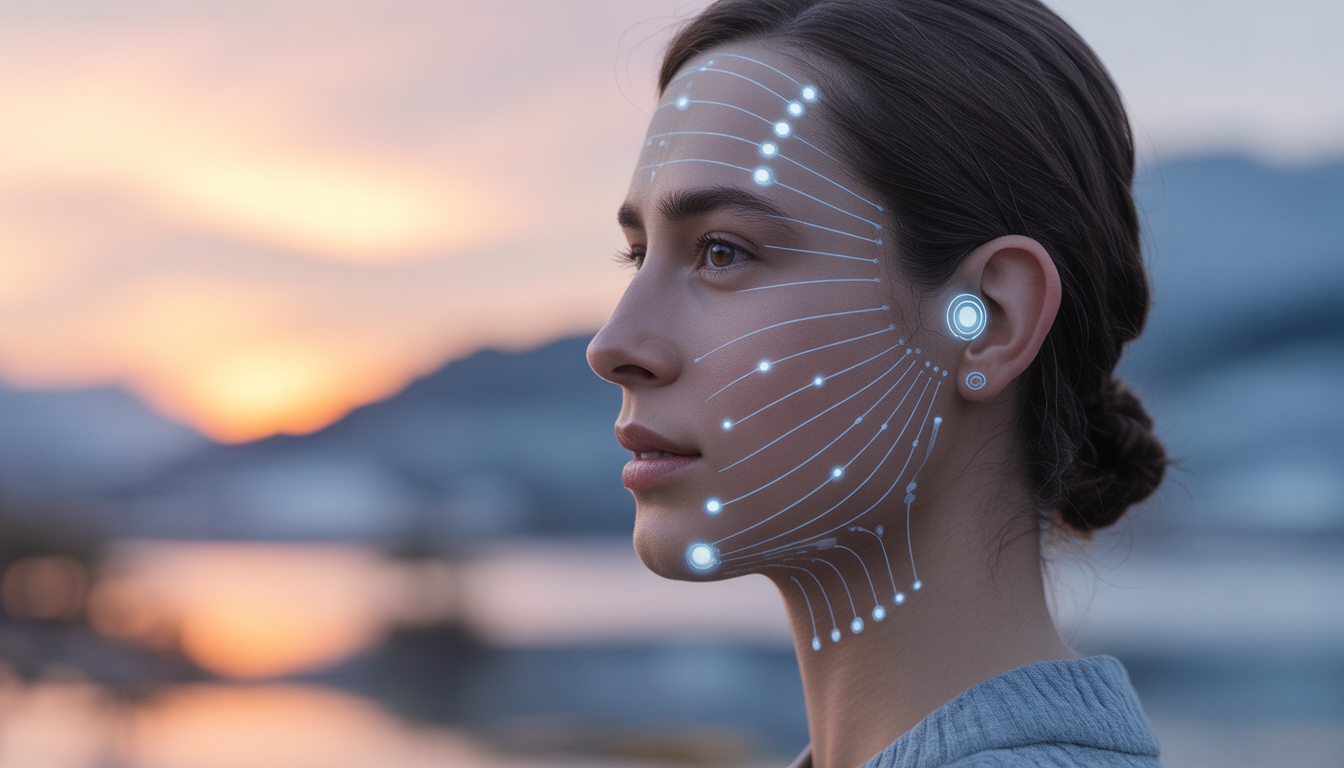
Final Thoughts: Are We Ready for Technology Inside Us?
The rise of inside-able technology marks a major shift in human history.
For the first time, technology is not just around us or on us.
It may soon become part of us.
This revolution could:
-
Improve healthcare
-
Extend life expectancy
-
Help millions manage chronic diseases